Best Time to Watch Kilauea Volcano Cams — Daylight, Glow, Weather
When to tune in for the best Kilauea live cam viewing. Lava glow at night, sunrise color, midday clearing — daily timing windows for each USGS cam.
You can watch Kilauea live 24/7. But not every hour is equal. Lava glow only shows up well at night. Steam plumes look most dramatic at sunrise. Midday gusty trade winds clear the vog so you can finally see the crater floor. This guide breaks down when each window matters.
The three magic windows
Window 1 — Night (10 PM to 4 AM HST)
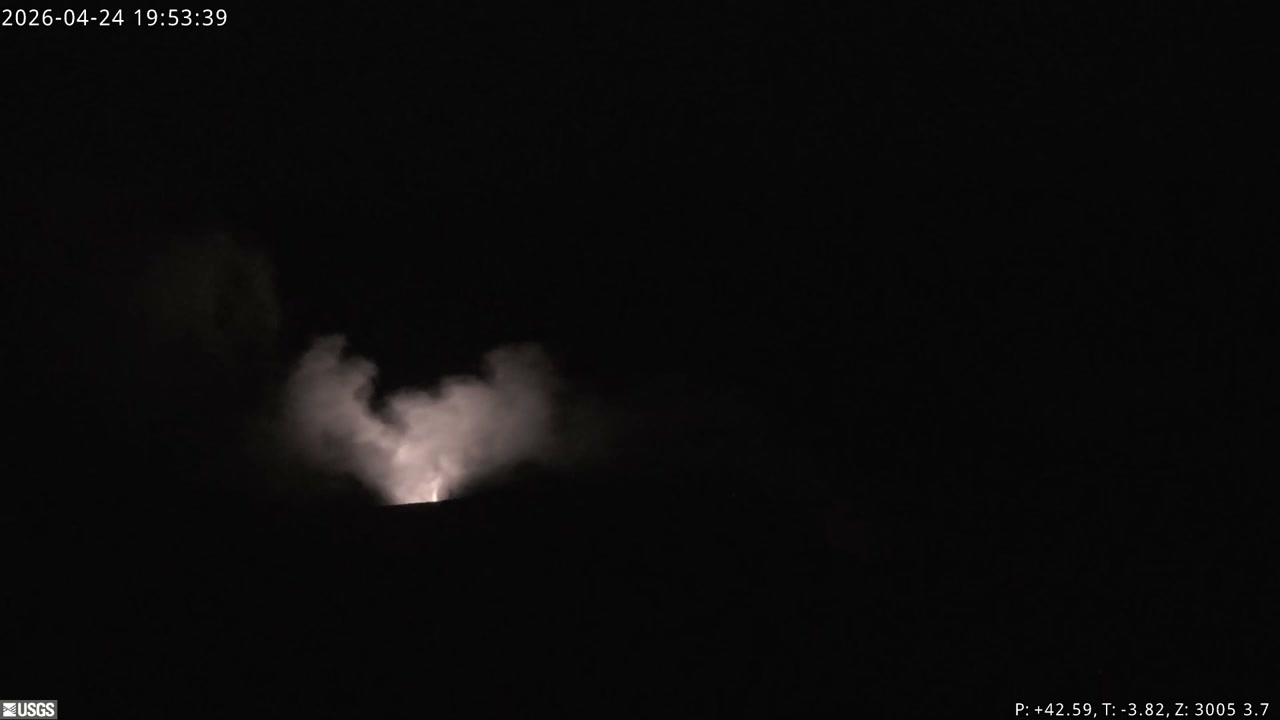
Lava glow is most visible. The cams pick up the orange in incredible detail when there’s no daylight washing it out.
Why it works: human eyes (and cameras) need contrast to see. Glowing lava against a dark sky is high contrast. Daylight reduces relative brightness of glow to almost invisible.
Best cam: V1cam — closest to the active vent. Direct view of the lava lake.
Time-zone math:
- US Eastern: 4-10 AM ET → great morning coffee viewing
- US Mountain: 2-8 AM MT → for the dawn patrol
- US Pacific: 1-7 AM PT → coffee hour
- UK: 9 AM-3 PM GMT → midday tea
- Tokyo: 6 PM-midnight JST → evening prime time
Window 2 — Sunrise (5:30-7:30 AM HST)
Steam plumes catch first light and turn pink-orange. The contrast between cool sky color and warm lava is striking. Photographers chase this window in person.
Why it works: golden-hour color temperature mixes with the warm tones of lava. Best photographic light of the day.
Best cam: V2cam — across-the-crater shot. You see the eastern crater wall lit up while the eruption proceeds.
Window 3 — Midday gusty trade winds (11 AM-3 PM HST)
Sulfur dioxide gas usually clears the crater bowl during gusty trade winds, exposing the entire lava lake without the haze that builds up overnight.
Why it works: Hawaii’s trade winds peak in mid-afternoon. They blow vog away from the cams, giving the clearest views of the day.
Best cam: V3cam — the PTZ. USGS operators often re-aim during this window to capture the freshest views.
When NOT to watch
These windows are usually disappointing:
- First hour after sunset (~6:30-7:30 PM HST) — cams are adjusting exposure for night, image is grainy. Wait an hour.
- Calm noon days — no wind = vog accumulates. Crater fills with sulfur dioxide haze. View gets murky.
- Extreme weather (heavy rain, fog) — visibility drops to nothing. Even the cams can’t see through.
How to plan a “live viewing session”
If you want to dedicate 30+ minutes to actually paying attention (vs. ambient background watching):
- Check the USGS HVO daily update before tuning in. They post conditions and what’s currently happening.
- Open multiple cams in tabs (V1 + V2 + K2 = close-up + scale + context). Or use the Big Island region page which has them grouped.
- Enable cam audio if available (V3 cam sometimes has it). Not necessary but adds atmosphere.
- Pair with the USGS Volcano Notice service so you get alerts when status changes.
During an active eruption episode
When Kilauea is erupting (Episode 46 began May 5, 2026), the time windows compress:
- Day 1-3 of an episode: dramatic fountains, peak fountain heights. Watch ANYTIME during these days. Activity is constant.
- Day 3-7: activity tapers. Watch during the three magic windows above.
- Day 7+ (cooldown): lava lake drains or freezes. Mostly visual stasis. Less rewarding.
- Pause periods (between episodes): crater is mostly dark. Watch the USGS deformation data for signs the next episode is brewing.
Practical tip: use time-lapse for “behind on viewing”
If you missed the magic windows live, the Port of Cams YouTube channel posts 2-hour time-lapses from the Kilauea cams every 6 hours. The drama compresses to 16 seconds. So you don’t miss it.
Pair with reading
For the science context:
- USGS HVO Daily Update — ground-based observation summary in plain English
- KailuaWeatherCenter — Hawaii weather forecast (helps predict cloud cover for the cams)
For the human context:
- Big Island Now — local news angle on each eruption
- Hawaii Volcano Stories — NPS archive of cultural and historic volcano context
Closing
You don’t need to be in Hawaii to watch one of the most active volcanoes on Earth. You just need to know when to tune in.
The magic windows are night, sunrise, and midday-with-wind. Pick one that matches your time zone. Bookmark the cams. The lava doesn’t wait, but the cams keep running.