Best Wildlife Webcams: Watch Bears, Wolves, Eagles & Marine Life Live
Stream the best wildlife webcams live — Katmai bears catching salmon, eagle nests, wolf packs, marine life, and more from around the world.
Few things on the internet are as genuinely captivating as a live wildlife webcam. One moment you’re checking the stream between meetings, and the next you’ve watched a 900-pound brown bear snatch a salmon out of mid-air. Wildlife webcams turn your screen into a window to the wild — no hiking boots required, no national park entrance fee, and available 24/7.
Port of Cams indexes over 14,383 live camera feeds, and our wildlife cams are consistently among the most-watched. This guide covers the best wildlife webcams streaming right now, when to tune in for peak action, and why millions of people around the world are hooked.
Bear Cams: The Kings of Wildlife Streaming
Brooks Falls Bear Cam — Katmai National Park, Alaska
If there’s a single wildlife webcam that started it all, it’s the Brooks Falls Bear Cam. Operated by explore.org in partnership with the National Park Service, this camera sits above Brooks Falls in Katmai National Park, where dozens of Alaskan brown bears gather each summer to feast on migrating sockeye salmon.
The footage is spectacular. Bears stand at the lip of the waterfall with their jaws open, catching salmon in mid-leap. Cubs stumble over rocks trying to mimic their mothers. Dominant males square off in chest-deep water. During peak season, you might count 15 or more bears in a single frame.
When to watch:
- July: The first salmon run hits Brooks Falls. Bears crowd the waterfall, and the fishing action is nonstop. This is the single best month for dramatic catches.
- September: Fat Bear Season. After a summer of eating, bears are at their heaviest — some topping 1,200 pounds — as they prepare for hibernation. Explore.org even runs an annual Fat Bear Week bracket tournament where viewers vote on the fattest bear.
- June and August: Transitional months with moderate activity. Bears are around but may fish at other spots along the river.
- October–May: Bears are hibernating. The stream still runs but shows an empty waterfall and occasional wildlife passing through.
Pro tip: The River Watch Bear Cam gives a wider view of the Brooks River downstream from the falls. You’ll see mothers teaching cubs, bears wrestling, and the occasional wolf or moose wandering through.
Polar Bear Cam — Churchill, Manitoba
Churchill, Manitoba is known as the Polar Bear Capital of the World, and the Polar Bear Cam delivers on that reputation. Every fall, polar bears migrate through this area, waiting along the Hudson Bay shoreline for sea ice to form so they can head out to hunt seals.
When to watch:
- October–November: Peak migration. Dozens of polar bears gather near Churchill. You’ll see them sparring, resting, and interacting — sometimes right in front of the camera.
- December–March: Bears are out on the sea ice hunting. Activity near the cameras drops off.
- Summer: Polar bears are scattered inland, conserving energy. Occasional sightings but not reliable.
Watching a polar bear stand up on its hind legs and scan the horizon is a humbling reminder of just how massive these animals are. Males can weigh over 1,500 pounds.
Eagle Cams: Nesting Season Drama
Bald eagle nest cams are some of the most emotionally gripping wildlife streams you’ll find. You follow the entire cycle — egg-laying, incubation, hatching, feeding, first flights — over the course of months. Viewers get genuinely invested in specific eagle families.
Where to Watch
Port of Cams carries eagle cameras across Alaska and the Pacific Northwest. The FAA-operated cameras at Eagle Harbor and Eagle Peak in Alaska frequently capture bald eagles soaring, perching, and fishing:
- Eagle Harbor East and Eagle Harbor North — sweeping coastal views where eagles hunt
- Eagle Peak North and Eagle Peak South — mountain vantage points with frequent eagle sightings
Dedicated eagle nest cams from organizations like the Raptor Resource Project and the American Eagle Foundation stream continuously during nesting season. These cameras are typically mounted just feet from the nest, providing incredibly intimate views.
When to watch:
- January–February: Egg-laying begins in southern states. Eagles prepare the nest, adding sticks and lining it with soft material.
- March–April: Eggs hatch. The tiny, fluffy eaglets are completely helpless and fed by both parents.
- May–June: Eaglets grow rapidly and begin branching — hopping to nearby limbs and testing their wings.
- June–July: First flights (fledging). This is the moment everyone waits for. Some eaglets nail it on the first try. Others… don’t.
Pro tip: Eagle cams are perfect for leaving open in a background tab. Most of the time it’s quiet — an adult sitting on the nest, wind ruffling feathers. Then suddenly a parent swoops in with a fish, and it’s feeding time. Those moments make the wait worthwhile.
Wolf Cams: Elusive but Unforgettable
Wolves are harder to capture on live webcams than bears or eagles. They roam vast territories, are wary of human infrastructure, and are most active at dawn and dusk. But when you catch them on camera, it’s electric.
Yellowstone Wolf Watching
Yellowstone National Park is the premier wolf-watching destination in North America. While there’s no single dedicated “wolf cam” streaming 24/7, Port of Cams carries several Yellowstone cameras that regularly capture wolf activity in the Lamar Valley and other key areas. Browse our Yellowstone cameras to find active feeds.
The park’s wolf packs — including the famous Junction Butte Pack and Lamar Canyon Pack — roam through areas covered by landscape cameras. Sightings are unpredictable but thrilling.
International Wolf Center — Ely, Minnesota
The International Wolf Center operates webcams focused on their ambassador wolf pack. These aren’t wild wolves, but they’re real wolves living in a naturalistic enclosure, and the cameras provide close-up views of pack dynamics — howling, playing, hunting enrichment prey, and establishing hierarchy.
When to watch:
- Winter: Wolves are most active and visible against snow. Their thick winter coats make them look magnificent.
- Spring: Pups are born in April–May. Pup cams are irresistible — clumsy bundles of fur tumbling over each other.
- Dawn and dusk: Wolves are crepuscular. Early morning and late evening are your best bets for activity on any wolf cam.
Marine Life Cams: An Underwater Window
Sea Otters
Sea otter cams from Monterey Bay Aquarium and various coastal stations capture one of the most charismatic marine mammals on earth. Otters floating on their backs, cracking shellfish on their chests, and wrapping themselves in kelp to avoid drifting away while they nap — it’s impossibly endearing.
When to watch: Year-round. Sea otters don’t hibernate or migrate. Morning tends to be most active for foraging.
Underwater Reef Cams
Several organizations operate underwater cameras on coral reefs and kelp forests. These streams show a constantly shifting cast of fish, rays, octopuses, and the occasional shark gliding through. The Monterey Bay underwater cam and various Caribbean reef cams are mesmerizing, especially when played on a big screen with the sound on — the ambient underwater audio is deeply relaxing.
Hawaii Marine Life
Our Hawaii beach cams regularly capture marine wildlife:
- Green sea turtles hauling out onto beaches — Napili Bay is a reliable spot
- Humpback whales breaching in the distance during winter months (December through April) — watch the horizon on any Maui-facing cam
- Hawaiian monk seals — one of the most endangered marine mammals in the world — occasionally appear resting on quieter beaches
Seal and Sea Lion Cams
Harbor seal and sea lion cams stream from locations along the Pacific coast, from California to British Columbia. Pupping season (March through May for harbor seals) is particularly engaging — the pups are born on rocky shores and start swimming within hours.
African Wildlife Cams: Watering Hole Magic
African watering hole cameras are the closest thing to a virtual safari. Multiple camera operators stream from game reserves across South Africa, Kenya, and Botswana, with cameras trained on watering holes where animals congregate — especially during the dry season.
What you’ll see:
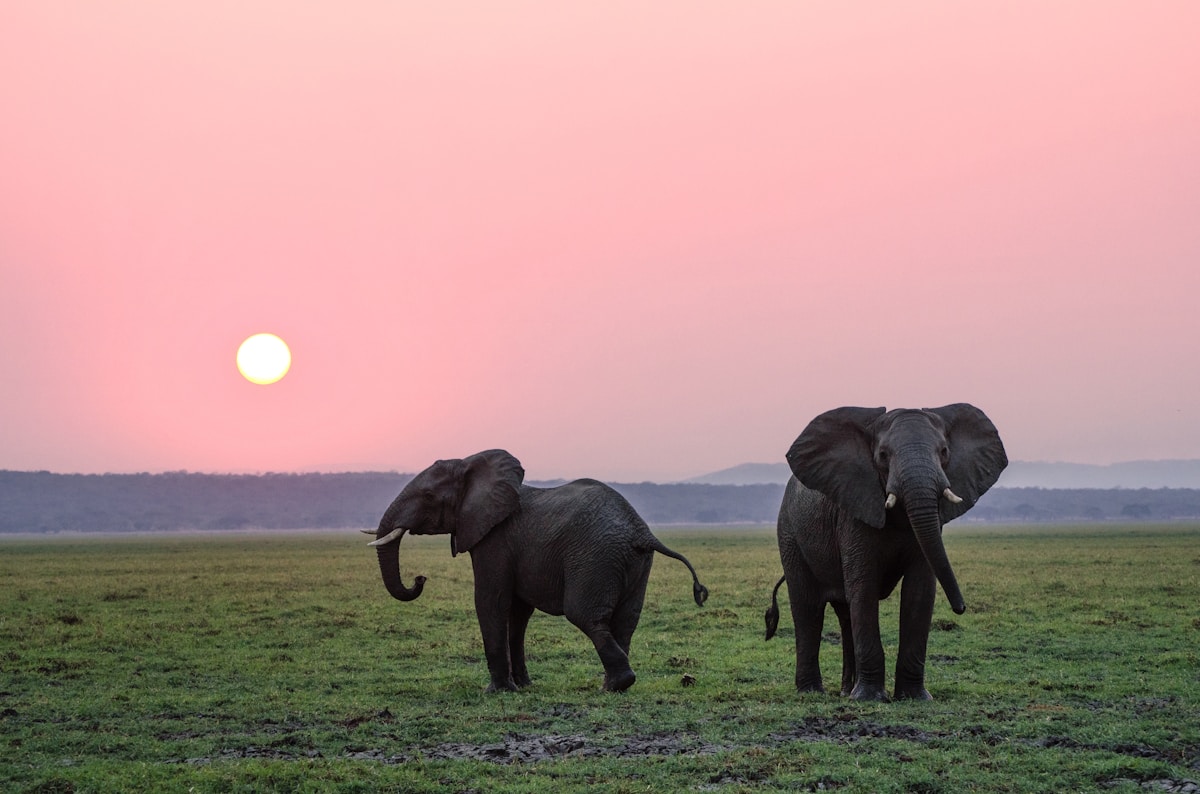
- Elephants arriving in herds to drink and spray water
- Lions lounging nearby (and occasionally hunting)
- Giraffes splaying their front legs at awkward angles to reach the water
- Hippos submerged with just their eyes and ears visible
- Zebras, wildebeest, and antelope rotating through in mixed herds
- Occasional leopard sightings — rare and thrilling
When to watch:
- Dry season (June–October): Animals are forced to visit water sources more frequently. This is prime viewing.
- Dawn and dusk: Most African mammals are active during cooler hours.
- Night cams: Some watering hole cameras have infrared capabilities. Nighttime brings out different species — hyenas, aardvarks, porcupines, and nocturnal predators.
Pro tip: African watering hole cams reward patience. You might watch for 30 minutes and see nothing. Then an entire elephant herd appears, and you’re glued to the screen for the next hour.
Bird Colony Cams: Puffins, Ospreys, and Owls
Puffin Cams
Atlantic puffin cameras stream from breeding colonies in Iceland, Scotland, and the coast of Maine. Puffins are absurdly photogenic — stocky little seabirds with bright orange beaks and a perpetually startled expression. Colony cams show them waddling around burrow entrances, flying in with beaks full of fish, and interacting with their neighbors.
When to watch: April through August. Puffins are at their colonies only during breeding season, spending the rest of the year at sea.
Osprey Nest Cams
Osprey cameras capture these fish-hunting raptors throughout the nesting cycle. Ospreys build enormous stick nests on poles, platforms, and channel markers near water. Nest cams show spectacular fishing dives when parents return with fish clutched in their talons.
When to watch: March through September. Eggs typically hatch in May–June.
Owl Cams
Barn owl and great horned owl box cameras have passionate followings. Owls nest earlier than most birds — great horned owls start incubating in January in many areas — so owl cams provide wildlife viewing during the dead of winter when most other cams are quiet.
When to watch: December through May, depending on species. Night viewing is essential since owls are nocturnal. Many owl cams include infrared lighting.
Seasonal Viewing Guide
Not sure what to watch right now? Here’s a month-by-month guide to peak wildlife webcam viewing:
| Month | What to Watch |
|---|---|
| January | Great horned owl nesting, polar bears on sea ice |
| February | Eagle egg-laying (southern US), owl chicks hatching |
| March | Osprey arrivals, harbor seal pupping begins |
| April | Eagle chicks hatching, puffins returning to colonies, wolf pups born |
| May | Eaglets growing, osprey chicks, bear cams start up in Alaska |
| June | Eagle fledging, puffin breeding, bear activity increasing |
| July | Brooks Falls peak salmon run — the single best wildlife cam month |
| August | Puffin fledging, late salmon runs, sea otter activity |
| September | Fat Bear Season at Katmai, salmon runs continuing |
| October | Polar bear migration at Churchill, African dry season viewing |
| November | Polar bear peak, humpback whale season begins in Hawaii |
| December | Whale watching on Hawaii cams, owl nesting begins, African watering holes |
Why Wildlife Webcams Are So Addictive
There’s a psychological reason wildlife webcams hook people. Unlike produced nature documentaries — edited, scored, narrated — webcams are unscripted and real-time. You’re not watching a highlight reel. You’re watching actual life unfold, and that creates a different kind of engagement.
The unpredictability is the point. You might tune into the Brooks Falls cam and see nothing but rushing water for twenty minutes. Then a massive bear charges through the frame, catches a salmon, and lumber off. That moment hits different because you earned it by waiting.
Wildlife webcams also create community. Chat rooms alongside popular streams buzz with regulars who recognize individual animals, track their movements, and celebrate milestones — a cub’s first catch, an eaglet’s first flight, a puffin returning to last year’s burrow. These aren’t passive viewers. They’re invested.
And there’s the conservation angle. Scientists use webcam data for population counts, behavioral studies, and habitat monitoring. The more people watch, the more attention and funding flows toward protecting these animals and their habitats. Every viewer becomes a stakeholder in conservation without even trying.
Start Watching
Port of Cams brings together over 14,383 live camera feeds from around the world, including the best wildlife webcams streaming right now. Head to our cameras page to find bear cams, eagle cams, marine life streams, and hundreds more.
The next salmon catch, eagle fledge, or polar bear sparring match is happening right now on one of these streams. You just have to tune in.

