← Back
● LIVE

Premium Live Cam
Unlock NASA ISS — Live from Space
Plus every premium feed — in HD, ad-free, with 48-hour DVR rewind and downloadable clips.
Watch live — $1 first monththen $9.99/mo · cancel anytime · instant access
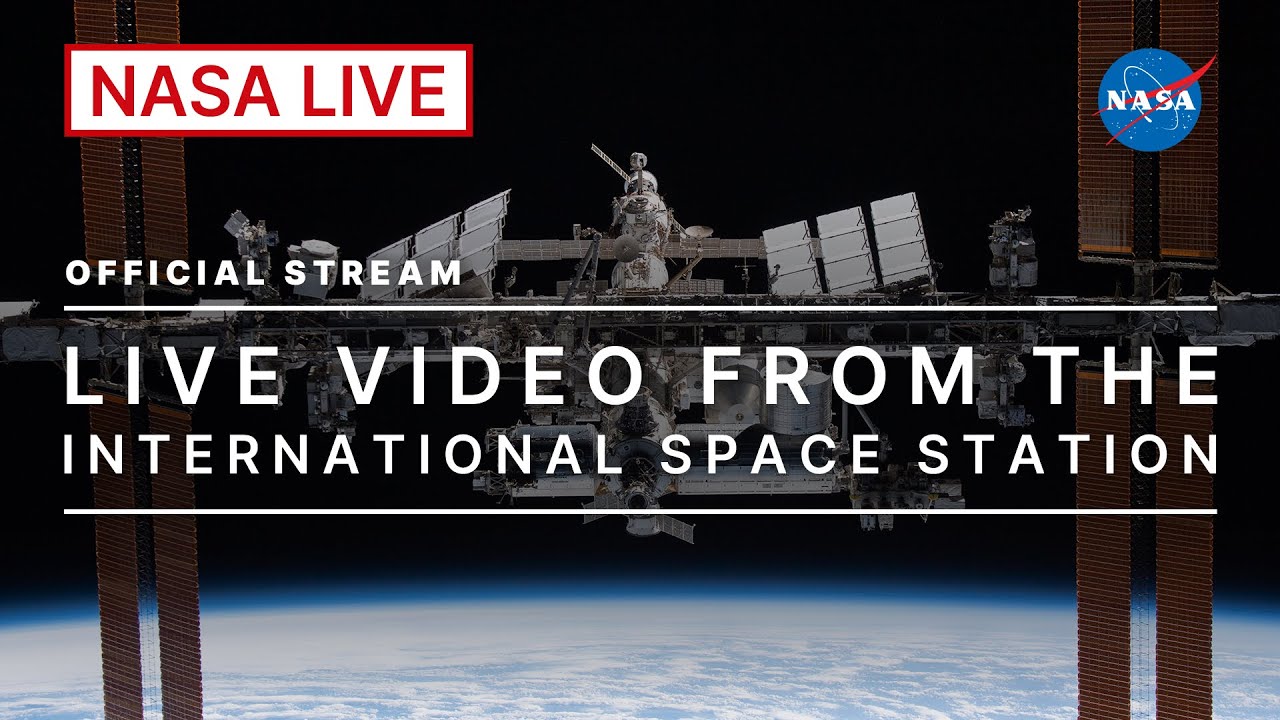
NASA ISS — Live from Space
International Space Station, ~400km altitude
About This Camera
This is NASA's live view from the International Space Station, orbiting roughly 250 miles (400 km) above Earth at about 17,500 mph — fast enough to circle the planet every 90 minutes and witness 16 sunrises and sunsets every day. When the external cameras are pointed down, you see the planet scroll beneath you: ocean blue, swirling cloud systems, city lights on the night side, and the thin glowing line of the atmosphere on the horizon.
Because the Station is always moving, the view constantly changes between daylight passes over oceans and continents and dark passes lit only by cities and lightning. During orbital night the feed goes black; during the day you may catch coastlines, deserts, hurricanes, and aurora seen from above. NASA occasionally switches to interior or mission feeds during spacewalks, dockings, and crew activities.
The ISS has been continuously crewed since November 2000 — humanity's longest-running outpost in space — and is a joint project of NASA, Roscosmos, ESA, JAXA, and the Canadian Space Agency. Crews of astronauts and cosmonauts run hundreds of microgravity experiments at a time. On a clear evening you can also spot the Station yourself: it's one of the brightest objects in the night sky as it passes overhead.
Advertisement
You Might Also Like



Fetching local weather…
📈 Extended Hourly Forecast
PRO 🔒
Extended Hourly Forecast — Premium
Hour-by-hour temperature, wind, and rain for the next day.
Unlock Premium — $1 first monthAlready Premium? Sign in to view.
Forecast data: Open-Meteo · NOAA SWPC · USGS. Conditions are estimates.
Recommended Gear

As an Amazon Associate, we earn from qualifying purchases.
Things to Do Nearby
Advertisement