

Skip to content
THREE LIVE SAFARI CAMS · THE TIME AND LIGHT AT EACH ONE

African Watering Hole Live Cams: What You’ll See and When

A waterhole camera is only as good as the hour you open it. These are the three live African waterhole cams on Port of Cams, with the time and the light at each one as you load the page, what usually happens there at each point of the day, how the dry and wet seasons change it, and what to look for when something walks in.

South Africa is on UTC+2 all year. The best hours to watch are the first and last two or three hours of daylight there; in the dry season, May to October, the water draws the most animals.

Cameras, operators’ notes and rewind settings checked by hand on 22 October 2026. Streams re-checked when this page was rebuilt, 27 October 2026, 19:06 UTC: 2 of 3 live.

Right now at each watering hole

First and last light come first, then daytime, then dusk and night. Cameras our health checker reports offline drop to the bottom.

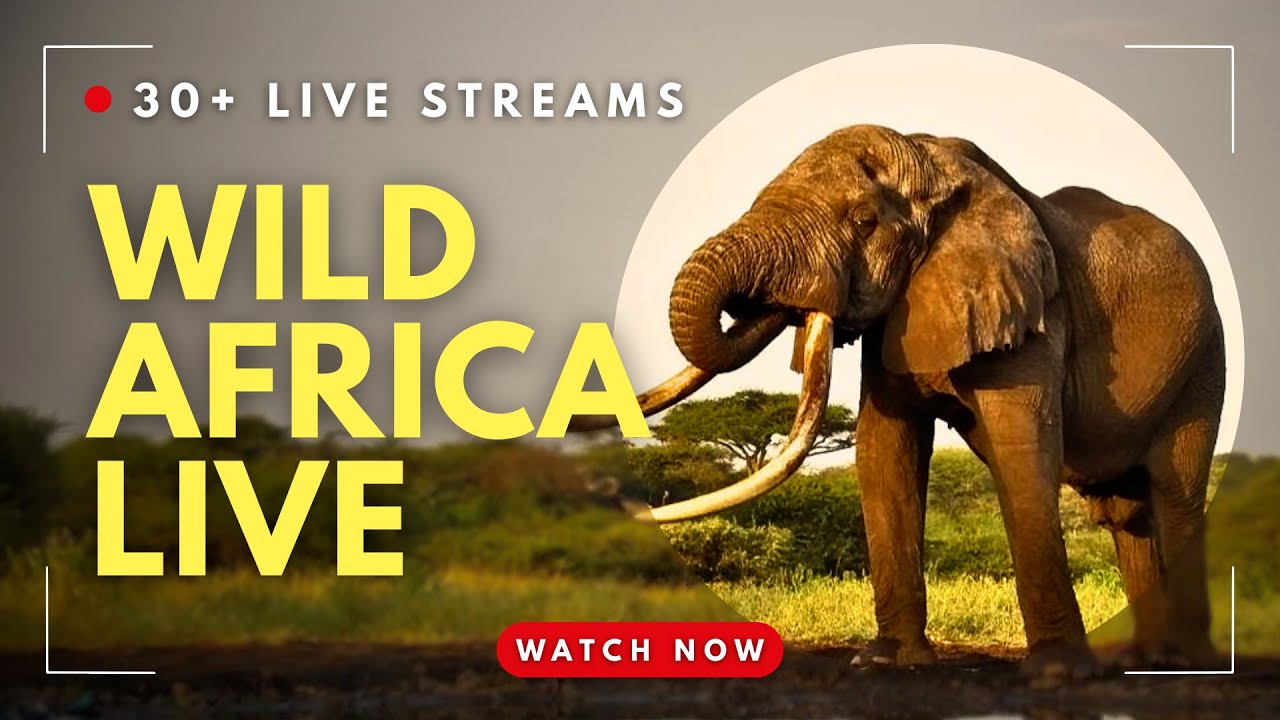
  1. 1 Wild Africa: Africam’s multi-camera feed Live video UTC+2 Best: Any time: when one waterhole goes quiet the feed moves on. Clock shown is South Africa’s.
  2. 2 Nkorho Bush Lodge, Sabi Sand Live video UTC+2 Best: The first and last two or three hours of daylight, South Africa time
  3. 3 Tembe Elephant Park, Mahlasela Hide Live video Not live at last checkUTC+2 Best: Mid-morning and late afternoon South Africa time, when the operator says herds arrive to drink

Where the Wild Africa feed’s cameras are

Africam’s multi-camera feed switches between these areas, which span about 20° of longitude, so dusk in Kruger is still late-afternoon light in Etosha. None of them use daylight saving.

  • Greater Kruger & Sabi Sand South Africa · UTC+2 Naledi Dam, Olifants River, Rosie’s Pan, Cat Eye Pan, Roy’s Dam, Simbavati, Serondella, Jabulani, Nkorho
  • Madikwe & Pilanesberg South Africa · UTC+2 Tau Game Lodge, Kwa Maritane
  • Hwange & Victoria Falls Zimbabwe · UTC+2 Hwange Safari Lodge, The Hide, Vic Falls Safari Lodge
  • Khwai & the Boteti River Botswana · UTC+2 Elephant (Hyena) Pan, Meno a Kwena, Moela, Camelthorn
  • Etosha Namibia · UTC+2 Onguma The Fort, Safarihoek
  • Maasai Mara, Tsavo & Serengeti Kenya & Tanzania · UTC+3 Mahali Mzuri, Lentorre, Ol Donyo, Finch Hattons, Serengeti Explorer

The three cameras

Wild Africa: Africam’s multi-camera feed

Switches between waterholes in South Africa, Botswana, Zimbabwe, Namibia, Kenya and Tanzania

Live videoAfricam

One round-the-clock stream that cuts between more than 30 of Africam’s cameras, so the picture moves to whichever waterhole has animals on it. Its site list runs from Greater Kruger and Madikwe to Hwange, Etosha, the Okavango’s Khwai, the Boteti River, the Maasai Mara, Tsavo and the Serengeti.

Animals the listing or operator names: elephant, lion, zebra, giraffe, hippo, spotted hyena, leopard.

At night: The listing says infrared night cameras show hyenas and leopards after dark.

Best time: Any time: when one waterhole goes quiet the feed moves on. Clock shown is South Africa’s.

Nkorho Bush Lodge, Sabi Sand

Sabi Sand Game Reserve, South Africa, on the unfenced western edge of Kruger

Live videoAfricam

A single fixed view of the waterhole in front of Nkorho Bush Lodge in the Sabi Sand, a private reserve with no fence between it and Kruger National Park, so animals move freely between the two. Sabi Sand is best known for leopards.

Animals the listing or operator names: elephant, leopard, lion, spotted hyena.

At night: The operator describes the waterhole as active day and night.

Best time: The first and last two or three hours of daylight, South Africa time

Tembe Elephant Park, Mahlasela Hide

KwaZulu-Natal, South Africa, on the Mozambique border

Live videoexplore.org with AfricamNot live at last check

The camera looks out from the Mahlasela Hide over a waterhole in Tembe Elephant Park, a 300 km² reserve on the Mozambique border whose elephants include some of the largest-tusked bulls in Africa. Elephants are the reason to watch; the rest of the Big Five live in the park too.

Animals the listing or operator names: elephant, lion, leopard, rhino, buffalo.

Best time: Mid-morning and late afternoon South Africa time, when the operator says herds arrive to drink

What you’ll see, hour by hour

Animals in hot, dry country drink when it is cool and safe to, so a waterhole has a daily rhythm. Use it with the clocks above: these are the usual patterns, not a timetable, and a single elephant herd can rewrite an afternoon.

Before dawnsun 12° to 0° below the horizon, risingThe night shift is ending. Lions and hyenas are often still about and on the move, and the first birds start calling. On a camera without night lighting the frame is still dark; listen instead.
First hours of lightsunrise until the sun is 35° upOne of the two busiest windows. It is cool, so animals that rested overnight walk in to drink, and the low sun gives the best picture of the day. Antelope tend to drink warily, in small groups, watching for predators.
Middle of the daysun more than 35° upMany grazers and the big cats rest in shade through the heat, so the water can stand empty for long stretches. Elephants are the exception worth waiting for: they often come in during the warm hours to drink, spray and wallow in the mud.
Late afternoon to sunsetsun below 35° until sunsetThe second peak, and usually the best time to sit and watch. Herds that spent the day feeding come back to drink before dark, and predators start to stir.
Dusksunset until the sun is 12° belowThe light goes quickly this close to the tropics: twilight lasts only about 20 to 25 minutes. Movement often picks up as the heat goes out of the day, and nocturnal animals begin to appear.
Nightsun more than 12° belowHyenas, lions and leopards do much of their moving at night, and elephants and rhinos drink after dark too. What you see depends on the camera: infrared turns the picture grey and makes eyes glow; an unlit camera shows black, but the sound carries on.

Tembe’s operator, explore.org, puts its own peak at mid-morning and late afternoon, when the elephant herds arrive to drink.

Dry season vs wet season

The single biggest thing that decides how busy a waterhole camera is: in the dry season the water in front of the camera may be the only water for miles, and in the wet season it is one puddle among thousands.

South Africa, Zimbabwe, Botswana and Namibia: dryNkorho, Tembe and most of the Wild Africa feedMay to October. Grass dies back, pans and rivers shrink, and animals have to come to the remaining water, often daily. August to October, the end of the dry season, is when waterholes are at their busiest.
South Africa, Zimbabwe, Botswana and Namibia: wetNkorho, Tembe and most of the Wild Africa feedNovember to April. Rain fills every hollow, so animals spread out and drink where they stand; the camera can be quiet for hours. The bush turns green, and the first rains bring the season’s young.
Kenya and Tanzania (Maasai Mara, Tsavo, Serengeti): drythe East African sites on the Wild Africa feedRoughly June to October, with a shorter dry spell in January and February. In the Maasai Mara, the wildebeest migration is usually there from about July to October.
Kenya and Tanzania (Maasai Mara, Tsavo, Serengeti): wetthe East African sites on the Wild Africa feedTwo rains: the long rains around March to May and the short rains around November and December. Timing shifts from year to year.

On the Wild Africa feed, the Boteti River sites in Botswana are known for the zebra that gather there through the dry months, and the Maasai Mara sites for the wildebeest migration in season.

What to look for: a checklist

The animals the cameras’ own listings and operators name, with what to watch for. Tick them off as you go (nothing is saved).

Tips for watching

  • Turn the sound up. Our players start muted. With sound on you often hear an arrival first: birds alarm-calling, splashing, an elephant’s rumble, lions at night.
  • Leave it running. An empty waterhole is normal. Keep the stream open in a corner of the screen and look back when the sound changes.
  • Watch at their dawn and dusk, not yours. Early morning in South Africa is the middle of the night in North America; late afternoon there is morning on the US East Coast.
  • At night, pick the multi-camera feed. Its listing says it uses infrared cameras after dark, which show eyes and grey shapes where an unlit camera shows black.
  • Missed it? Rewind. On 22 October 2026 all three streams had YouTube’s rewind switched on: drag the progress bar back, or open the stream on YouTube for the full controls. The operators also post clips of notable sightings on their channels.
  • Watch the edges and the other animals. Antelope that freeze, stare one way or bolt from the water usually know something the camera has not shown you yet.

Questions

What is the best time to watch an African watering hole live cam?

The first hours after sunrise and the last hours before sunset, in the camera’s own time. That is when it is cool enough for most animals to walk in to drink. The South African cameras here run on South Africa time (UTC+2, no daylight saving), so early morning there is late night in North America and late afternoon there is morning on the US East Coast. Elephants often turn up in the middle of the day as well.

Which month is best for African waterhole cams?

The late dry season. In southern Africa that is roughly August to October, when most natural water has dried up and animals have to come to the pans that are left. In the wet season, November to April, there is water everywhere and the cameras are quieter, though the bush is green and there are young animals about.

Can you see animals at night on these cams?

Sometimes. Africam’s multi-camera Wild Africa feed says it uses infrared night cameras, which is how hyenas and leopards show up after dark. Other cameras depend on whether the site is lit; an unlit camera shows a dark frame, but you can still hear what is coming to drink.

Why is the watering hole cam empty?

Because animals do not drink all day. Midday heat sends most of them into shade, after rain they drink from puddles out in the bush, and at any time a predator nearby keeps everything else away. Leave the stream running with the sound up; arrivals are usually announced by birds, splashing or a herd’s footsteps before they reach the frame.

Can I rewind a live safari cam?

On YouTube, if the operator has rewind switched on. When we checked on 22 October 2026, all three streams on this page allowed it: drag the progress bar back, or open the stream on YouTube for the full controls. The operators also post clips of notable sightings on their own channels.

What time is it at the African watering hole cams?

South Africa, Botswana, Zimbabwe and Namibia are on UTC+2 all year; Kenya and Tanzania are on UTC+3. None of them use daylight saving. The list at the top of this page shows the time and the light at each camera as you load it.

Camera feeds belong to their operators (Africam and explore.org), named on each camera page. Times, sun positions and seasons are computed in your browser from each place’s coordinates; nothing is sent anywhere.

CAMERA PREVIEW

Open the camera to watch its live feed.

Watch on Port of Cams ↗